Source Manual Transmission Refrigerated Truck for Food, Medical, and Cold Storage
Compare 30 manual transmission refrigerated truck listings from verified Chinese suppliers. Buyers can evaluate diesel engine options, emission standards, and customizable box dimensions to find the right vehicle for food transport, medical logistics, and cold storage applications; compare the available evidence and request quotations based on your requirements.
Key considerations
Products List


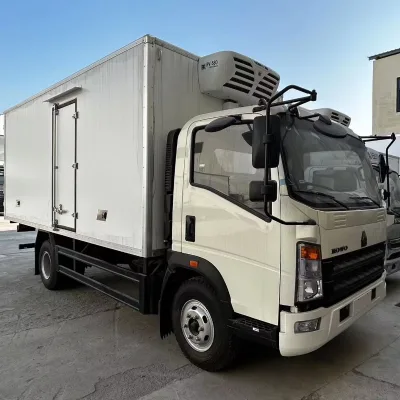


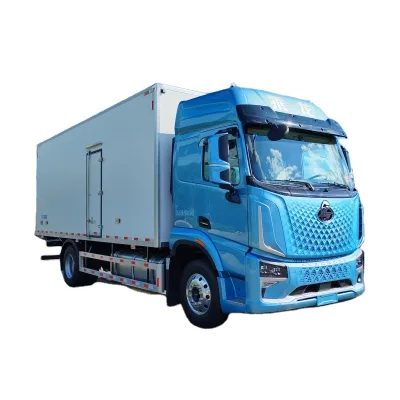


Comprehensive Sourcing Guide
Manual Transmission Refrigerated Truck Sourcing Guide
Procuring a manual transmission refrigerated truck requires careful evaluation of the powertrain configuration against specific operational demands. The observed market data indicates that while automatic transmissions are common, manual variants remain available for buyers seeking direct control over gear selection in challenging terrain or heavy-load scenarios. Buyers must verify that the transmission type aligns with the engine specifications, such as the 150-250 horsepower range observed in listings, to ensure optimal torque delivery and fuel efficiency during long-haul refrigerated transport.
The supply chain for these vehicles often originates from major manufacturing hubs in China, including Hubei, Guangzhou, and Shandong provinces. Sourcing from these regions provides access to a wide variety of chassis brands, such as Sinotruk Howo, which are frequently paired with independent cooling units like the Carrier Supra 850+. Buyers should confirm the specific origin of the chassis and body to understand the local regulatory environment and the availability of spare parts, as these factors significantly impact long-term operational reliability and maintenance costs.
Product Scope and Observed Listing Signals
The product scope for manual transmission refrigerated trucks encompasses a diverse range of body sizes and configurations, from 8-foot units to extended 32-foot boxes designed for maximum cargo volume. Listings frequently highlight customizable dimensions and specialized features like high-pressure vacuum-formed bodies, which ensure structural integrity and superior sealing for temperature-sensitive goods. Buyers should scrutinize these customization options to match the specific length and width requirements of their logistics network, ensuring the vehicle fits within standard loading dock constraints and road regulations.
Observed listing signals reveal a price range between 2,500 and 55,000 USD, reflecting the variability in chassis quality, engine power, and refrigeration unit specifications. Minimum order quantities are typically flexible, ranging from single units to small batches of ten, allowing for both individual procurement and fleet expansion. However, buyers must distinguish between the base vehicle price and the cost of added features, such as the specific tire configurations or independent cooling systems, to avoid budget overruns during the final negotiation phase.
Technical Specifications to Verify
Technical verification begins with the engine and transmission pairing, where the manual gearbox must be compatible with the diesel engine's torque curve, often ranging from 1,500 to 2,000 Nm. The observed data suggests engines like the YC4E160-33 are common, but buyers must confirm the exact model number and displacement to ensure it meets the required horsepower for their specific load capacity, which typically falls between 1 and 10 tons. Mismatches in these specifications can lead to premature wear or insufficient power when climbing grades with a fully loaded refrigerated trailer.
The refrigeration system and body construction are equally critical, with specifications often citing temperature ranges from -15 to 0 degrees Celsius and box dimensions around 6,800 by 2,300 by 2,250 mm. Buyers should verify the sealing quality and the stability of the cooling unit, as these factors directly impact the freshness of perishable goods during transit. Additionally, the fuel tank capacity, often listed at 220 liters, must be sufficient for the intended route distance to prevent unnecessary refueling stops that could compromise the cold chain integrity.
Compliance and Safety Documentation
Compliance documentation is essential for validating that the vehicle meets the emission standards required for operation in target markets. While some listings reference Euro 2 standards, buyers must confirm the specific emission certification applicable to their region, as regulations vary significantly between countries. The presence of certifications like ISOCCC and TSEEC in the product data suggests a baseline of quality, but these should be cross-referenced with local import requirements to ensure the vehicle is legally operable without costly retrofits or penalties.
Safety features and structural integrity are paramount for protecting both the cargo and the driver. The observed data mentions high-strength materials and unique installation methods, but buyers should request detailed test results or third-party safety reports to verify these claims. Documentation regarding the gross vehicle weight, which can reach up to 10 tons, and the single gross weight of the unit must be accurate to ensure compliance with road safety laws and to prevent overloading incidents that could lead to accidents or legal liabilities.
Cost Drivers and Commercial Terms
The total cost of ownership is driven by several factors beyond the initial purchase price, including the brand of the chassis, the quality of the refrigeration unit, and the complexity of the body customization. Buyers should analyze the trade-off between a lower upfront cost and the long-term maintenance expenses associated with different engine and transmission combinations. For instance, a manual transmission might offer lower initial costs but could require more frequent clutch replacements compared to an automatic system, affecting the overall budget over the vehicle's lifespan.
Commercial terms such as payment conditions, lead times, and shipping logistics play a crucial role in the final procurement decision. While minimum order quantities are low, buyers must negotiate clear terms regarding the delivery of customized units, which may have longer lead times than standard models. The inclusion of after-sales services, such as video technical support and free spare parts, should be explicitly detailed in the contract to mitigate risks associated with potential breakdowns and to ensure rapid resolution of any operational issues.
Supplier Qualification and Quality Control
Supplier qualification involves assessing the manufacturer's ability to deliver consistent quality and adhere to the specified production standards. The observed data indicates that many suppliers offer OEM services and utilize patented technologies for body formation, but buyers must verify the actual production facilities and quality control processes in place. Requesting factory audits or video tours can provide insight into the manufacturing environment, ensuring that the high-strength materials and vacuum-formed bodies are produced under controlled conditions that meet international standards.
Quality control protocols should extend beyond the final inspection to include pre-shipment testing of critical components like the engine, transmission, and cooling unit. Buyers should insist on a comprehensive inspection report that details the performance of the manual transmission under load and the stability of the refrigeration system at extreme temperatures. Establishing a clear communication channel for technical support, including online assistance and video guidance, is essential for resolving any discrepancies immediately after the vehicle arrives at the destination.
Long-Term Procurement Checks
Long-term procurement checks focus on the durability and maintenance requirements of the manual transmission refrigerated truck over its operational life. Buyers should evaluate the availability of spare parts and the reputation of the supplier for providing timely support, as the longevity of the vehicle depends heavily on the quality of the initial build and the ease of maintenance. The observed attributes of stability and consistency suggest a robust design, but regular maintenance schedules must be established to prevent costly downtime and ensure the vehicle remains in optimal condition.
Finally, buyers must monitor the evolving regulatory landscape and technological advancements that could impact the relevance of their current fleet. As emission standards tighten and new refrigeration technologies emerge, the initial specifications of the truck may become less competitive over time. Establishing a review process to assess the vehicle's performance against new benchmarks ensures that the procurement strategy remains aligned with future operational needs and regulatory compliance, safeguarding the investment for years to come.
FAQs
What is the typical load capacity for manual transmission refrigerated trucks?
The typical load capacity ranges from 1 to 10 tons. This range accommodates various logistics needs, allowing buyers to select vehicles based on specific cargo volume requirements. The gross vehicle weight often falls between 5 and 10 tons, ensuring compliance with standard road regulations while maximizing payload efficiency for commercial operations.
Which emission standards do these diesel refrigerated trucks meet?
These diesel refrigerated trucks generally meet Euro 2 emission standards. This standard ensures compliance with environmental regulations in many regions. The diesel fuel type provides reliable performance and torque, making it suitable for heavy-duty transport. Buyers should verify specific regional requirements as standards may vary by destination market.
Can buyers customize the box dimensions for these refrigerated trucks?
Yes, box dimensions are customizable to suit specific cargo needs. Standard sizes often range from 8ft to 32ft, with specific models offering dimensions like 6800 by 2300 by 2250 mm. This flexibility allows for optimized space utilization, ensuring that the refrigerated unit fits the intended freight volume without compromising structural integrity or cooling efficiency.
What after-sales services are provided for these refrigerated trucks?
Providers typically offer video technical support, free spare parts, and online assistance. These services ensure operational continuity and minimize downtime for fleet managers. The availability of free spare parts helps reduce maintenance costs, while video support allows for rapid troubleshooting of mechanical or refrigeration issues, enhancing overall vehicle reliability and user satisfaction.
What is the standard packaging method for these truck components?
Standard packaging includes carton or wooden box options, often meeting export standards. This ensures safe transit of parts and components during shipping. The robust packaging protects sensitive equipment from damage, facilitating secure delivery to various global destinations. Buyers should confirm specific packaging requirements with suppliers to align with their logistical and storage capabilities.
How does the transmission type affect the operation of these trucks?
Manual transmission types offer direct driver control over gear shifts, which can improve fuel efficiency in varied terrain. While automatic options exist, manual transmissions are common in heavy-duty applications. This setup allows operators to manage engine torque effectively, particularly when hauling loads up to 10 tons, providing a robust and responsive driving experience.